
Leadership is a hard road. Pedro Paulo executive coaching offers a clear path for leaders who want to grow with purpose. It is one-to-one support built around your goals, your team, and your real challenges.
Sessions focus on practical skills like communication, decision making, and confidence. The aim is simple: help you lead better, not just work harder. Many leaders reach a point where advice is easy to find but honest feedback is rare. That is where executive coaching helps.
A good coach asks sharp questions, spots blind spots, and keeps you accountable. In this guide, you will learn how the coaching works, how programs are structured, and what results to look for. You will also learn how to check a coach’s credentials before you invest.
Table of Contents
Pedro Paulo Executive Coaching
Pedro Paulo executive coaching is a personal development service for leaders. The goal is simple. Help a leader see their habits clearly, then change the ones that hold them back.
The work is private and practical. Sessions focus on real situations from your week, such as a tense board meeting, a stalled team or a promotion you are chasing.
Most executive coaching programs share these features:
- One-to-one sessions on a fixed schedule
- Goals agreed at the start
- Honest feedback from the coach and sometimes from colleagues
- Action steps between sessions
- Strict confidentiality
The point is behavior change. Insight alone is not enough.
Pedro Paulo Executive Coaching: Profile Summary
Here is a quick snapshot in table form. The right column shows what you should confirm before booking.
| Item | What it covers | What to confirm |
|---|---|---|
| Service type | One-to-one executive and leadership coaching | Session format and length |
| Main audience | Managers, directors, founders and senior executives | Whether your role level fits |
| Delivery | In person or online | Time zone and platform |
| Focus areas | Leadership, communication, decision making, confidence | How goals are set |
| Credentials | Coaching training and professional background | Certifications and issuing bodies |
| Results | Client outcomes and feedback | Verifiable references |
| Cost | Package or per-session pricing | Written proposal |
A good coach will answer every row in the right column without hesitation.
Who Is Pedro Paulo? Bio and Background
People searching this name want a clear bio. That is fair. You are about to share private career worries with a stranger, so you should know who they are.
At the time of writing, there is no widely verified public biography for this coach. Several websites describe long careers and global clients, yet they offer no names of employers, no dates and no links to proof. Treat those claims with care.
What should a real bio contain?
- Work history with named organizations
- Years of experience as a leader or as a coach
- Industries and regions served
- A professional profile you can check, such as a business networking page
If any of these are missing, ask for them. A trusted coach expects the question.
Pedro Paulo Executive Coaching & Career Foundation
The best executive coaches usually bring two things. They have led people themselves, and they have trained in coaching as a craft.
Leadership experience gives a coach credibility. They know what a budget cut or a failed launch feels like. Coaching training gives them method. They know how to ask questions that move a client forward instead of handing out advice.
When you review the career foundation of any coach, look for:
- Time spent in management or business roles
- Time spent coaching paying clients
- Experience in your industry or a close one
- A clear way of working that they can explain in plain words
A long career alone does not guarantee good coaching. The method matters just as much.
Educational Foundation and Credentials
Coaching is an unregulated field in most countries. Anyone can use the title. That is why credentials deserve a closer look.
Solid signs of quality include:
- A recognized coaching certification, for example from the International Coaching Federation
- A degree or training in business, psychology or organizational development
- Ongoing supervision or peer review
- Training in assessment tools, such as 360-degree feedback
Ask for the name of the program and the year completed. Then check it with the issuing body. This takes five minutes and protects your investment. Be careful with vague phrases like “world-class training” or “top-rated coach”. They sound good but prove nothing.
Recognition and Client Outcomes
Recognition should be easy to verify. Think speaking invitations, published articles, client testimonials with real names, or awards from known industry groups.
Client outcomes are different from recognition. They describe what changed for the people coached. Examples include a smoother handover to a new role, better team scores in engagement surveys, or a leader who now runs shorter, clearer meetings.
Use this simple test:
- Is the claim specific?
- Does it name a source or a timeframe?
- Can you speak to the client or read the review yourself?
If the answer is no to all three, treat the claim as marketing, not evidence.
The 5 Pillars Framework of Pedro Paulo Executive Coaching
Many executive coaching models rest on five pillars. Below is the version most leaders will recognize. Ask the coach how their own framework compares.
| Pillar | What it means | Example in practice |
|---|---|---|
| 1. Self-awareness | Seeing your strengths, triggers and blind spots | Noticing you interrupt when stressed |
| 2. Clear vision | Knowing where you want to lead and why | Writing a one-page leadership goal |
| 3. Communication | Speaking and listening with impact | Giving feedback without defensiveness |
| 4. Decision making | Choosing well under pressure | Using a simple framework for hard calls |
| 5. Sustainable action | Turning insight into habits | Weekly practice with accountability |
The pillars work as a loop. Awareness shapes vision. Vision guides decisions. Decisions need communication. Action builds new awareness. Skip one pillar and the others weaken. A leader with great vision but poor communication will struggle to bring people along.
How Pedro Paulo Executive Coaching Differs From Traditional Training
Traditional training is built for groups. A trainer teaches a set curriculum to many people at once. Coaching is built for one person and one set of challenges. Both have value. They solve different problems.
| Feature | Traditional training | Executive coaching |
|---|---|---|
| Format | Group workshops or courses | One-to-one sessions |
| Content | Fixed curriculum | Built around your goals |
| Pace | Set by the trainer | Set by you and the coach |
| Feedback | General | Personal and direct |
| Follow-up | Often none | Ongoing accountability |
| Best for | Shared skills like presenting | Behavior change and complex challenges |
Training gives you knowledge. Coaching helps you apply it in your own setting, with your own people.
Pedro Paulo Executive Coaching Programs & Structure
Most coaching programs follow a clear shape. They start with an assessment, move into regular sessions, and close with a review.
A typical structure looks like this:
| Stage | Typical content |
|---|---|
| Discovery call | Fit check, goals and expectations |
| Assessment | Interviews, questionnaires or 360-degree feedback |
| Core sessions | Weekly or fortnightly meetings over several months |
| Between sessions | Practice tasks, journaling or short check-ins |
| Final review | Results against goals and a plan for what comes next |
Program length varies. Many engagements run three to twelve months. Always ask for the session count, session length and what is included between meetings. Get the scope in writing. It avoids confusion later.
Pedro Paulo Executive Coaching for Emerging Leaders
Emerging leaders are people moving into their first or second management role. They are often strong individual performers who now have to lead others. That shift is tough. What made you successful as a specialist does not always work as a manager.
Coaching at this stage often covers:
- Moving from doing the work to guiding the work
- Delegating without losing quality
- Holding difficult conversations early
- Managing former peers
- Building a calm, confident presence
The benefit is speed. A coach helps you avoid common early mistakes, so you build good habits from the start.
Advanced and Platinum Programs for Senior Executives
Senior executives face a different set of problems. Their choices affect whole companies. They have fewer people who will tell them the truth.
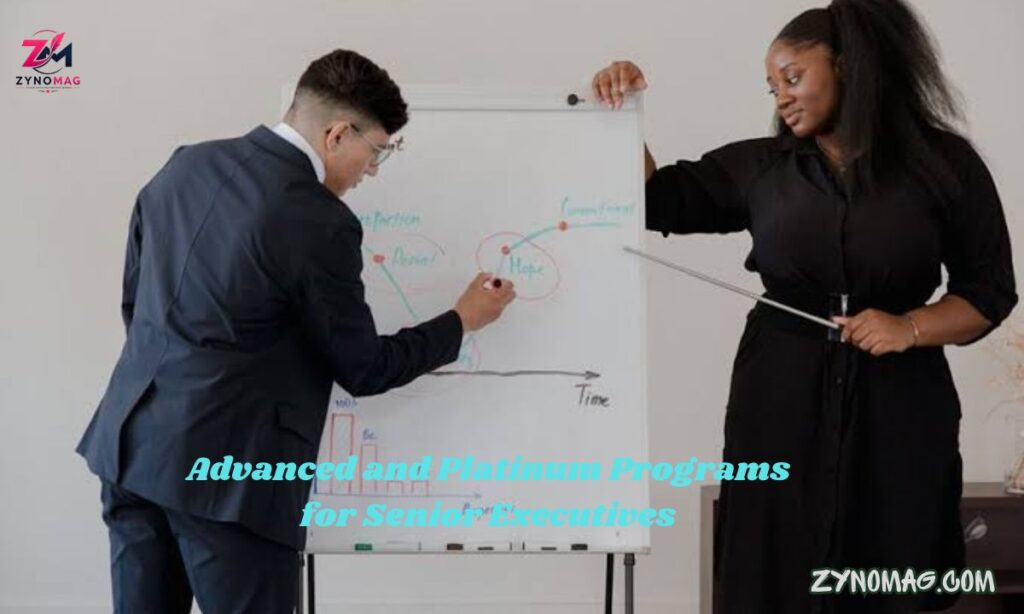
Premium or platinum style programs, where offered, usually include more access. Think longer engagements, more frequent sessions and support between meetings.
Topics often include:
- Leading through change or a merger
- Working with a board
- Succession planning
- Managing personal energy and stress
- Building a leadership team that works without you
Before you pay for a premium tier, ask what extra you actually get. More hours should mean more value, not just a higher price.
Benefits, ROI and Client Case Studies
The main benefits of executive coaching are easy to list. Leaders gain clarity. They communicate better. They make decisions with more confidence. Their teams often feel the change. Return on investment is harder to prove. Some gains are measurable, like retention or sales. Others, like trust, take longer to show.
A credible case study should include:
- The starting challenge
- The goals agreed
- What was done in the coaching
- The measured result
- A timeframe
Here is an illustrative scenario, not a real client. A new operations director struggles to delegate and works late every night. Through coaching, she sets clear delegation rules and weekly check-ins. After four months, her team’s deadlines improve and she cuts her overtime. The result is believable because it is specific. Be wary of case studies that promise huge gains with no detail.
Metrics That Matter in Pedro Paulo Executive Coaching
What gets measured gets managed. Agree on metrics before the first session.
| Metric | How to measure it | Typical timeframe |
|---|---|---|
| 360-degree feedback scores | Repeat the survey after the program | 6 to 12 months |
| Team engagement | Pulse surveys or annual results | 3 to 9 months |
| Retention | Resignations in your team | 6 to 12 months |
| Goal completion | Progress against agreed targets | Monthly |
| Meeting quality | Short feedback after key meetings | Ongoing |
| Self-rated confidence | Simple scale at each session | Ongoing |
Pick three or four metrics at most. Too many will blur the focus. Be honest about limits too. Coaching rarely works alone. Market changes and team shifts also affect results.
The Coaching Journey: From Assessment to Independence
Good coaching has an end point. The goal is to make you stronger, not dependent.
The journey often follows these steps:
- Assess. The coach gathers facts through interviews, tools and conversation.
- Set goals. You agree on two or three clear targets.
- Plan. You choose habits and experiments to try.
- Practice. You test new behavior at work between sessions.
- Review. You look at what worked and what did not.
- Adjust. The plan changes based on real results.
- Graduate. You leave with tools you can use alone.
The final step is the most important. A strong coach works to make themselves unnecessary.
Organizational Impact of Pedro Paulo Executive Coaching
Coaching one leader often lifts a whole team. When a manager improves, people around them feel it.
Common organizational gains include:
- Clearer communication across departments
- Faster, calmer decisions
- Stronger trust between managers and staff
- Better succession planning
- Lower turnover in coached teams
Companies also use coaching to support new promotions and to prepare high-potential staff. One caution. Coaching cannot fix a broken system. If the real problem is poor strategy or an unhealthy culture, coaching helps only so much.
Is Pedro Paulo Executive Coaching Worth the Investment?
The honest answer is that it depends on three things. Your goals, your readiness and the quality of the coach.
Coaching is worth it when:
- You have a clear challenge to solve
- You are willing to hear tough feedback
- You will do the work between sessions
- The coach has proof of skill and a clear method
It is a poor fit when you want a quick fix or someone to agree with every idea.
Before you commit, do this:
- Book a discovery call
- Ask for references
- Request a written scope and price
- Compare at least two other coaches
Treat it like any other business decision. Weigh cost against the problem you want to solve.
Who Should Consider Pedro Paulo Executive Coaching?
Executive coaching suits people who are ready to grow and who carry real responsibility for others.
It is a good option for:
- New managers stepping into leadership
- Directors preparing for a senior role
- Founders scaling a growing team
- Executives facing a major change
- High performers who feel stuck
It is less suited to anyone who wants only technical skills. A course may serve you better there. If you are unsure, start with a short call. Good coaches welcome that.
Frequently Asked Questions
What is Pedro Paulo executive coaching?
It is one-to-one leadership coaching focused on awareness, communication and decision making. Confirm the exact program details with the coach.
Who is Pedro Paulo?
Public information is limited and not widely verified. Ask the coach for a full bio, work history and credentials.
How much does executive coaching cost?
Prices vary by coach, program length and session count. Request a written quote before you commit.
How long does an executive coaching program last?
Most programs run between three and twelve months. Sessions are usually weekly or fortnightly.
Is online executive coaching effective?
Yes, for most leaders. Video sessions work well when the coach and client stay consistent.
How do I know if a coach is credible?
Check certifications, ask for references and request a clear method. Verify claims with the issuing body.
What results can I expect from executive coaching?
Expect better clarity, communication and confidence, though results vary. Agree on measurable goals at the start.
Final Thoughts
Executive coaching can be a powerful tool for leaders who want to grow with intent. It brings honest feedback, a clear plan and steady accountability. For the right person, that combination is hard to match.
The key is to choose with care. Look at credentials, ask for proof and set clear goals before you begin. Whether you explore Pedro Paulo executive coaching or another option, the best choice is the one you can verify and trust.